Mani 3
The Phono Preamp for Everyone
$149.00
In stock
Silver not in Stock
Description
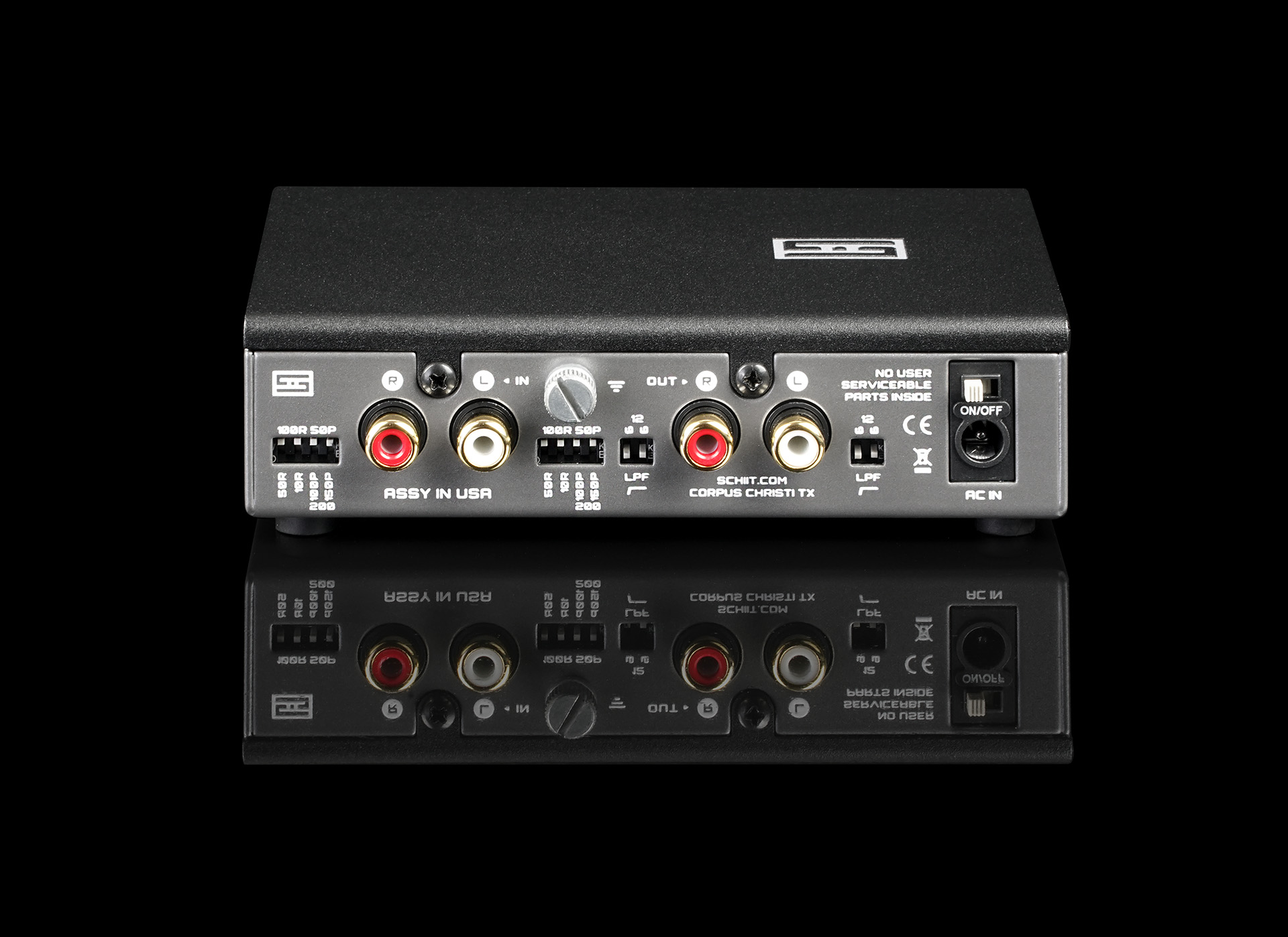
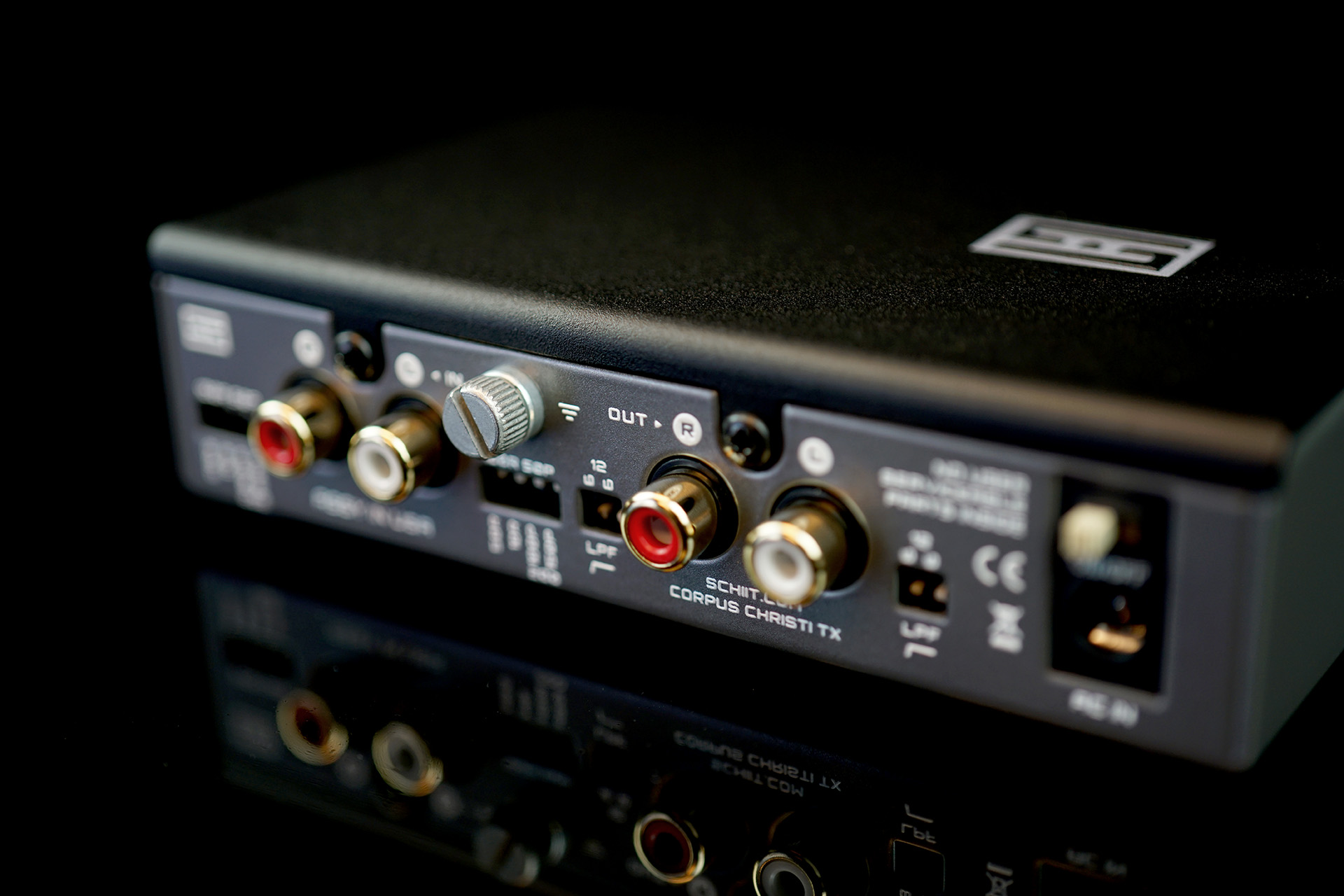
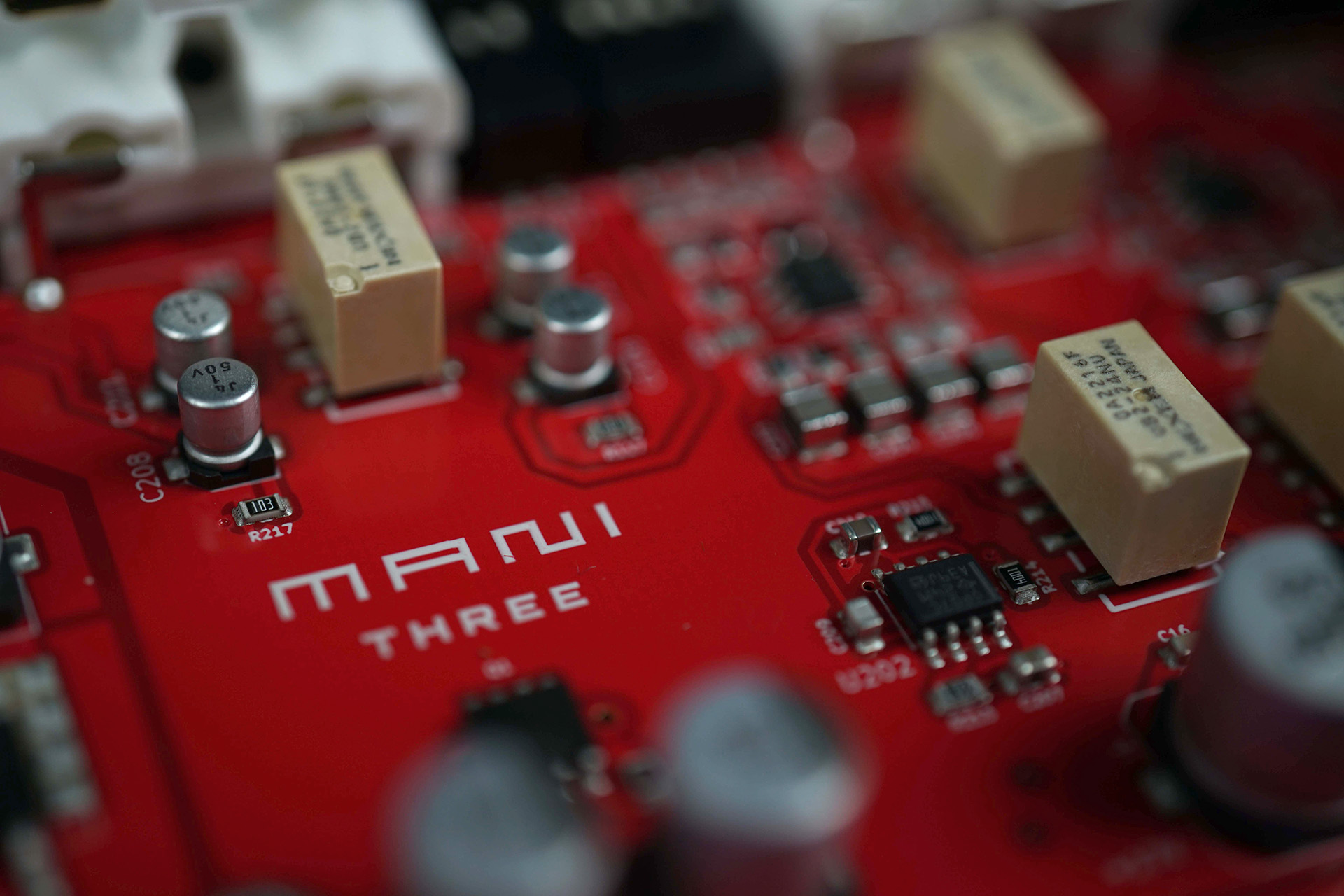
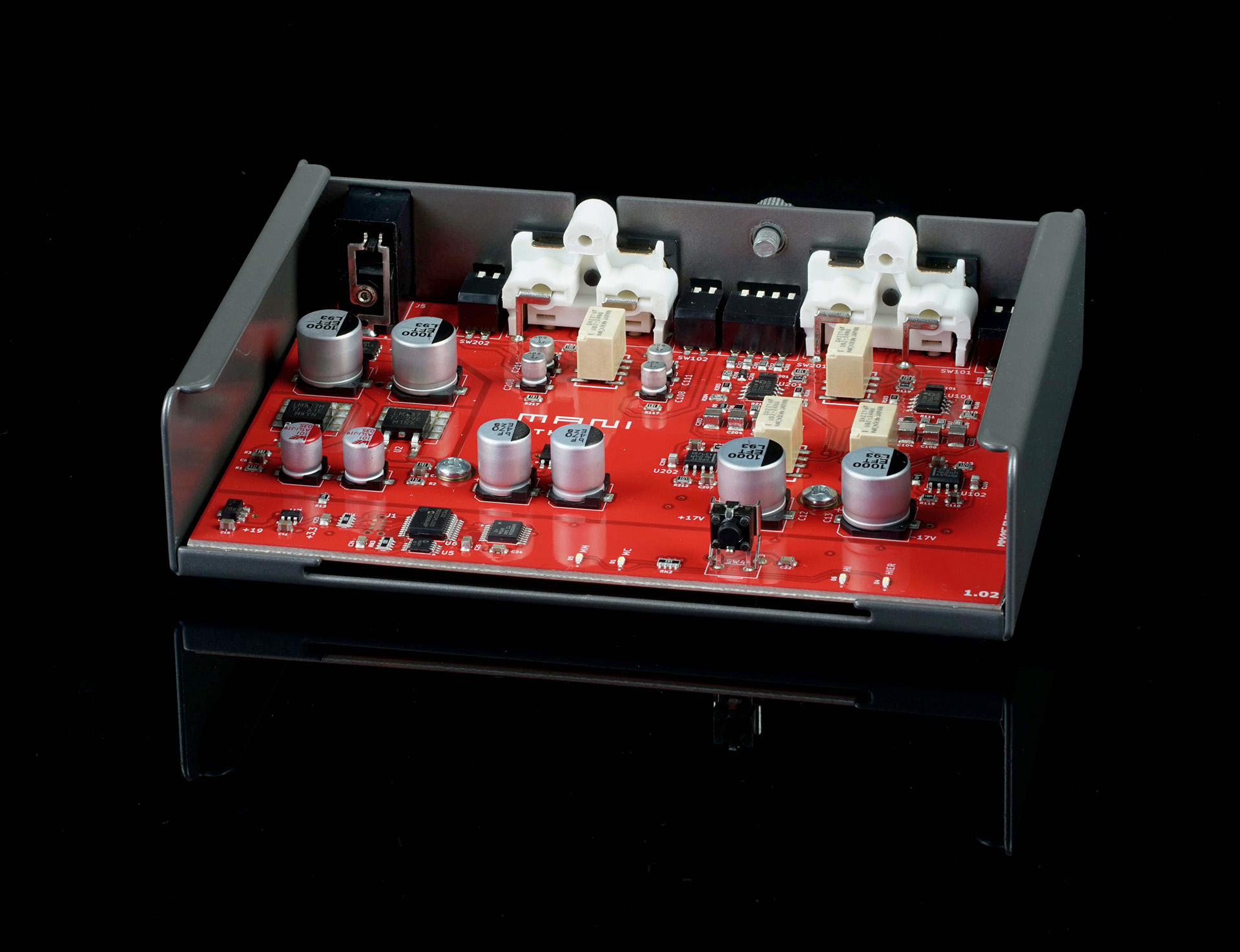
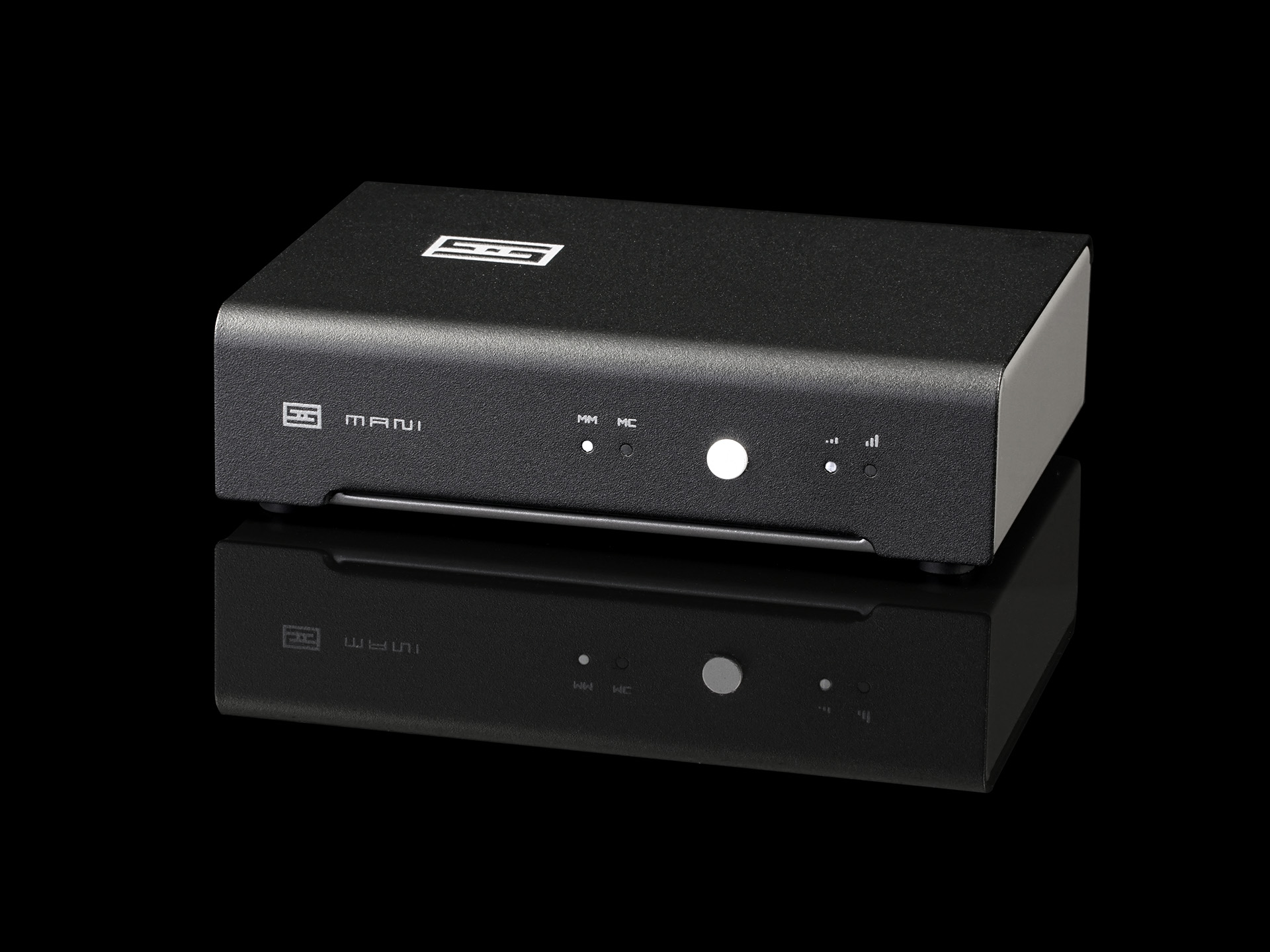
MM? MC? No idea? No problem. Mani 3 is the phono preamp for everyone, with the highest performance and flexibility of any affordable phono preamp. Stunning Accuracy and Vanishingly Low NoiseMani 3 delivers performance that’s usually only seen in much more expensive phono preamps. Featuring Analog Devices’ ultra-low-noise AD4898 and a passive RIAA network with 2% precision film capacitors and 0.1% thin-film resistors in a DC-coupled topology, Mani provides exceptional transparency and accuracy. A 100% linear power supply with dual-filtered +/-17.5V rails delivers unsurpassed dynamics and extremely high overload margin. Ultimate Flexibility—Loading, Gain, and LF FilteringMani 3 lets you switch gain and loading easily and instantly from the front panel, and provides additional switches for MC load customization and rumble filter. Gain: Choose 30, 40, 50, or 60dB, for virtually any cartridge from Decca to low-output MC and MI Loading: Choose between MM (47k/50pF) and MC (100 ohms/50pF) from the front panel; customize MM load with 10 and 50 ohm resistive options, and 100, 150, and 200pF capacitive options to accommodate virtually any MM, MC, or MI cartridge LF Filter: Choose 6dB/octave or 12dB/octave of purely passive low-frequency filtering to help with warped records or other subsonic problems Designed, Built, and Supported in the USAWe make our PCBs on our own wholly-owned SMD line in Corpus Christi, our chassis come from a California precision sheet metal manufacturer, and every single Mani 3 is built, tested, listened to, packed and shipped out of our Corpus Christi facility. And, if you ever need support, you’re talking to one of our staff in Corpus or San Antonio. 3-Year Warranty, 15-Day Easy ReturnsMani 3 gives you peace of mind with an industry-leading 3-year limited warranty. And if you don’t like your Mani, you can send it back for a refund, minus 15% restocking fee, within 15 days of receiving it.
Specifications
SPECS THAT MATTER Gain: enough for all turntables, virtually all cartridgesNoise: insanely low for a turntable, you'll be hearing the pops not the hissDistortion: 10-100x lower than any record you'll playHeat: runs very slightly warmSize: small enough to hide behind the turntable OTHER SPECS Gain: 30dB (no LEDs)THD: <0.0005%, A-weighted, ref 2V RMSSNR: >108dB, A-weighted, ref 2V RMSCrosstalk: -90dB, 20-20kHzSensitivity: 9mV for 300mV outputOverload Margin: >20dB Gain: 40dB (left LED only)THD: <0.0007%, A-weighted, ref 2V RMSSNR: >100dB, A-weighted, ref 2V RMSCrosstalk: -90dB, 20-20kHzSensitivity: 3mV for 300mV outputOverload Margin: >20dB Gain: 50dB (right LED only)THD: <0.001%, A-weighted, ref 2V RMSSNR: >95dB, A-weighted, ref 2V RMSCrosstalk: -80dB, 20-20kHzSensitivity: 1mV for 300mV outputOverload Margin: >20dB Gain: 60dB (both LEDs on)THD: <0.002%, A-weighted, at 2V RMSSNR: >87dB, A-weighted, ref 2V RMSCrosstalk: -75dB, 20-20kHzSensitivity: 0.3mV for 300mV outputOverload Margin: >20dB Input Loading: Selectable MM/MC MM: 47K, 50pF MC: 100 ohms, 50pF Customizable MC R: 10, 50 or 100 ohms C: 47, 100, 150, or 200pF RIAA Accuracy: +/- 0.15dB, 20-20kHz Low Frequency Filter: 6dB/octave or 12dB/octave at 15 Hz, fully passive Output Impedance: 75 ohms Topology: Fully passive RIAA network with AD4898 gain stages, OP07 DC servo, switchable passive CR LF filter, 1- or 2- pole, 0.1% thin-film resistors, and 2% film capacitors Power Supply: 100% linear with wall-wart 16VAC transformer, dual-filtered, regulated +/- 17.5V rails Power Consumption: 4W Size: 5 x 3.5 x 1.25” Weight: 1 lb APx Report for Mani 3
FAQ
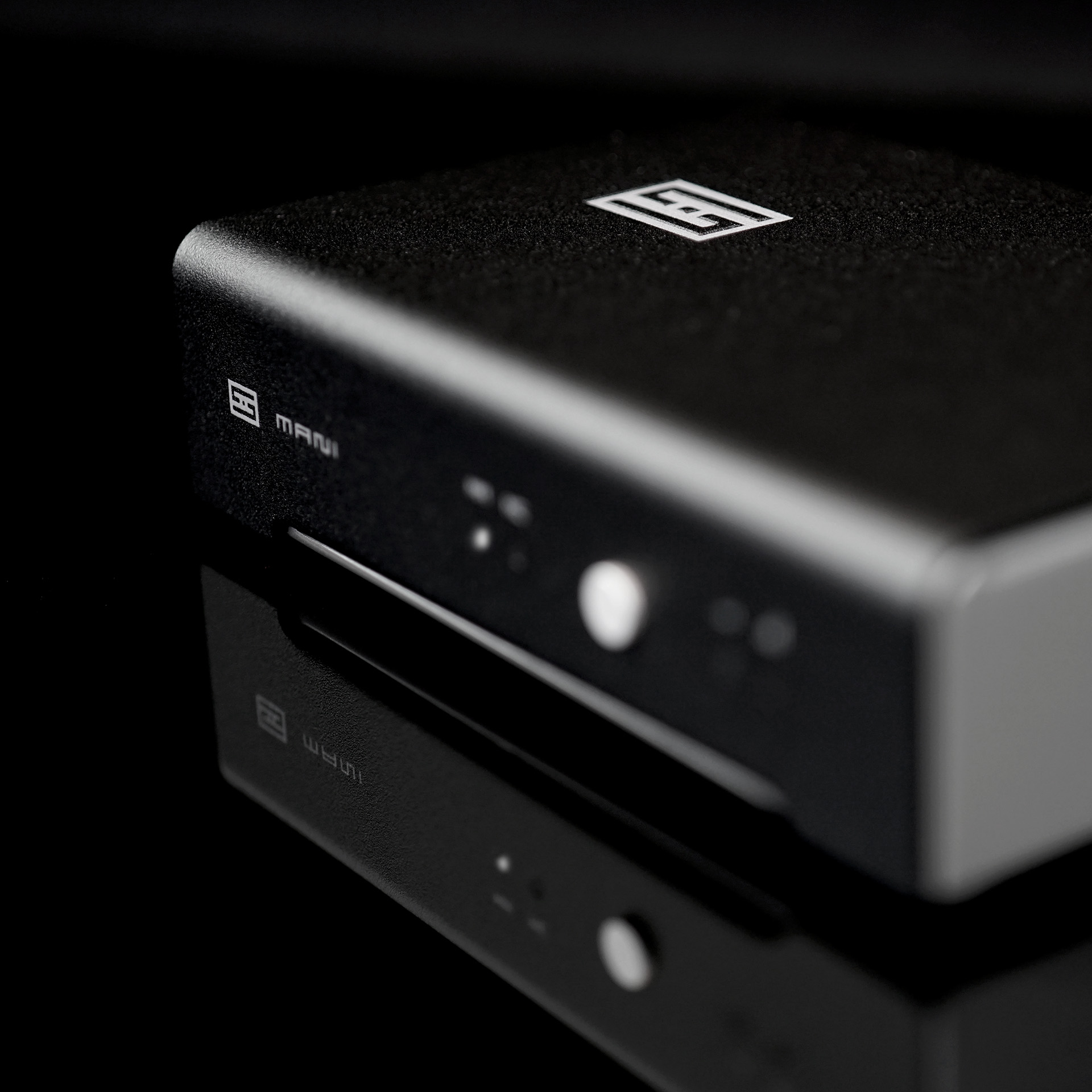
If this is “the phono preamp for everyone,” why do you make more than one?Why do we make more headphone amps than Magni if “Magni is all you ever need?” Oh, so we’re going Socratic here?Are we? Sigh. Let me rephrase: if Mani 3 is so good, why would I consider anything else?Mainly for balanced inputs or more gain. There are a tiny handful of ultra-low-output MC cartridges that may need more gain than 60db (1000x!) And there are some turntables that allow you to connect via balanced outputs. But, to be clear: you’re not gonna accidentally buy a turntable with a super-low-output cartridge. You have to venture very, very deep into the phono pool before you get to that point. So if I buy a basic $500 turntable, Mani is fine?Yes. Heck, if you buy a basic $5,000 turntable and use almost any MM, MC, or MI cartridge, you’re fine. Mani 3 is that good?Mani 3 is that good. There are a heckuva lot of settings on the back of Mani 3. Should I be scared?No. You may never need to use them. Heck, for the vast majority of sane turntables with MM cartridges, all you need do is to hook it up and leave the default settings alone—that is, MM LED on, left Gain LED on. What if I want to experiment with changing gain?Go ahead. You won’t hurt anything. Mani 3’s control system will mute the output after each gain change to help the system stabilize. We will caution you to turn down your preamp before switching gains, though, because each step is pretty big. From lowest to highest gain, you’re going from about 30x gain to 1000x. That’s a big difference. How do I know if I have the wrong gain? The output will be distorted, particularly in the bass. Switch to a lower gain. How do I know if I have the correct load?If you switch from MM to MC loading and the sound almost goes to zero, you have an MM cartridge and you should stick to an MM load. How do I pick the right MC load?Consult the cartridge manufacturer’s recommendations. How do I know when I need to use the LF filter?If your woofers are shivering and shaking like your grandma’s half-set Jell-O casserole, consider using the LF filter. Start with 6dB, add 6dB more if necessary. What about this “ground” connection?Some systems want the turntable ground connected to the phono preamp for lowest noise. Try your system both with and without a ground connection, and pick the one with lowest noise. But there is still some noise!Correct. This is phono. This is how it is. I don’t like that!Go back to digital. No, seriously, what do I do about the noise?All phono systems will have some hiss and hum. When properly set up, though (correct gain, grounded or ungrounded for lowest noise), you shouldn’t be able to hear it from the listening position at normal volumes. You’ll always be able to turn the volume all the way up and hear some noise. Consider that you’re amplifying a signal up to 80,000x from the cartridge to your speakers. Is the power supply a switching supply?Nope, 100% linear. It’s a phono preamp, for gods sake. What do you think, we digitize the cartridge output too? I see you had a Mani and Mani 2. How does Mani 3 compare to them? Cool, let’s break it down: Mani was the original generation. It was a good, solid, but a bit quirky in the way it operated, and it didn’t perform as well as Mani 2. Mani 2 got a lot quieter, and offered better performance and more loading options, but it was still a bit quirky in operation (all the settings were on the bottom!) Mani 3 betters the performance of Mani 2 (by a bit, not a mile), and moves the most used controls (gain and MM/MC loading) to the front panel, while MC loading and LF filter switches remain on the back panel. So still a little quirky. What the heck is a Mani?Mani is the personification of the moon in Norse mythology. And the moon is round. And records are round. And the night is black. And records are black. Yeah, we’re kinda simple around here. But we do make some decent electronics.