Loki Max F
The Retrofuturistic Equalizer
$1549.00 – $1599.00
In stock
Description
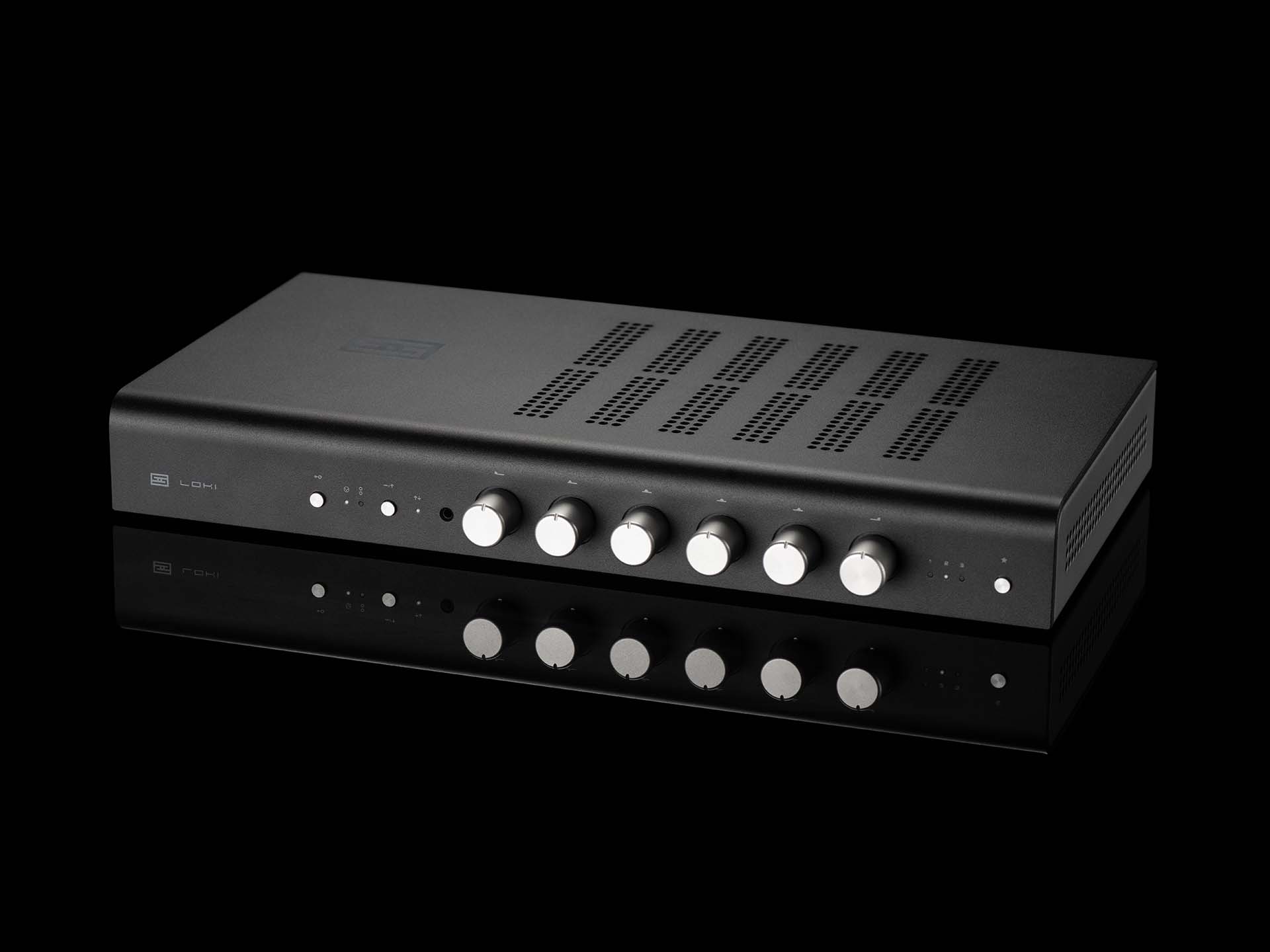
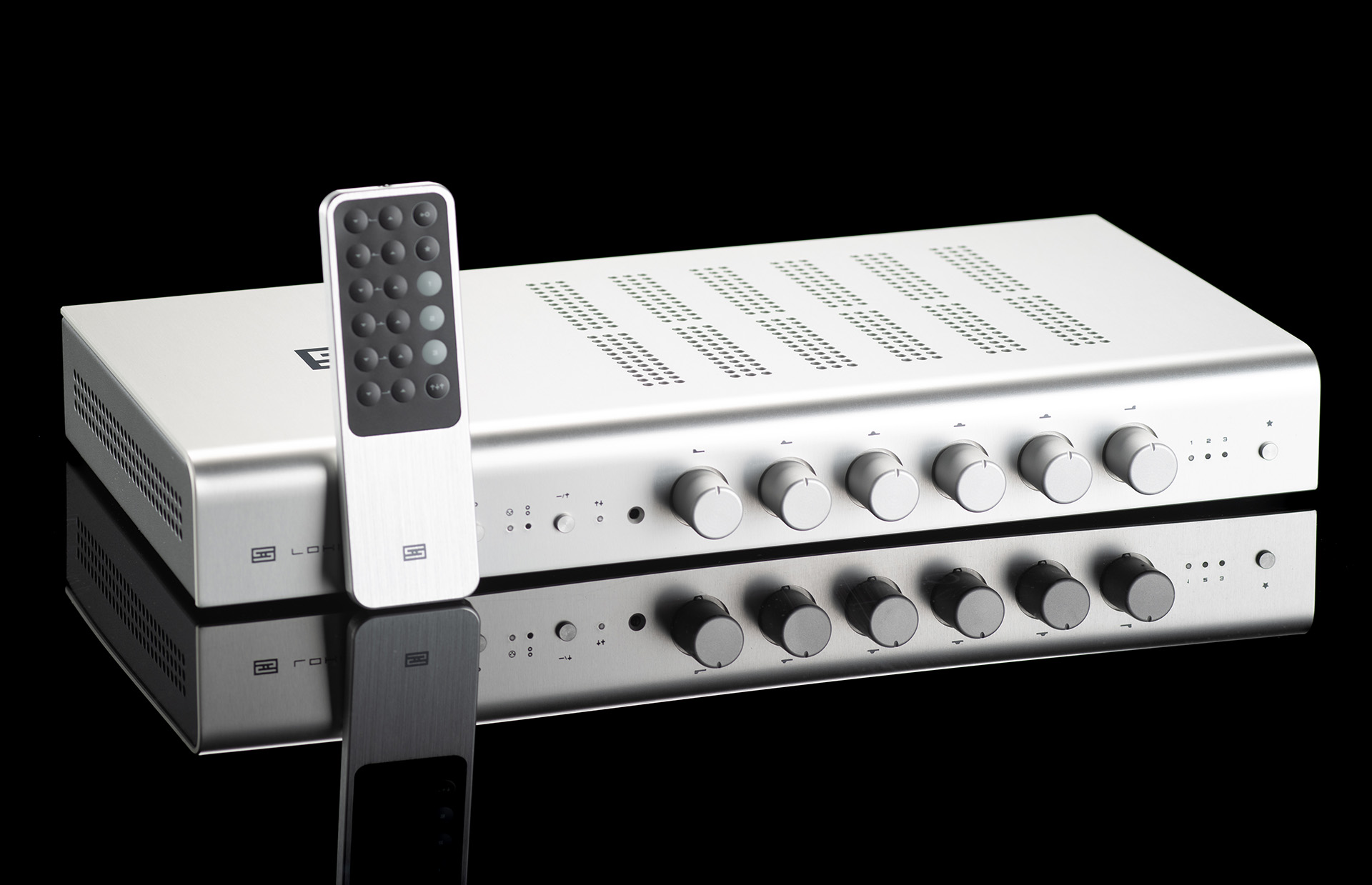
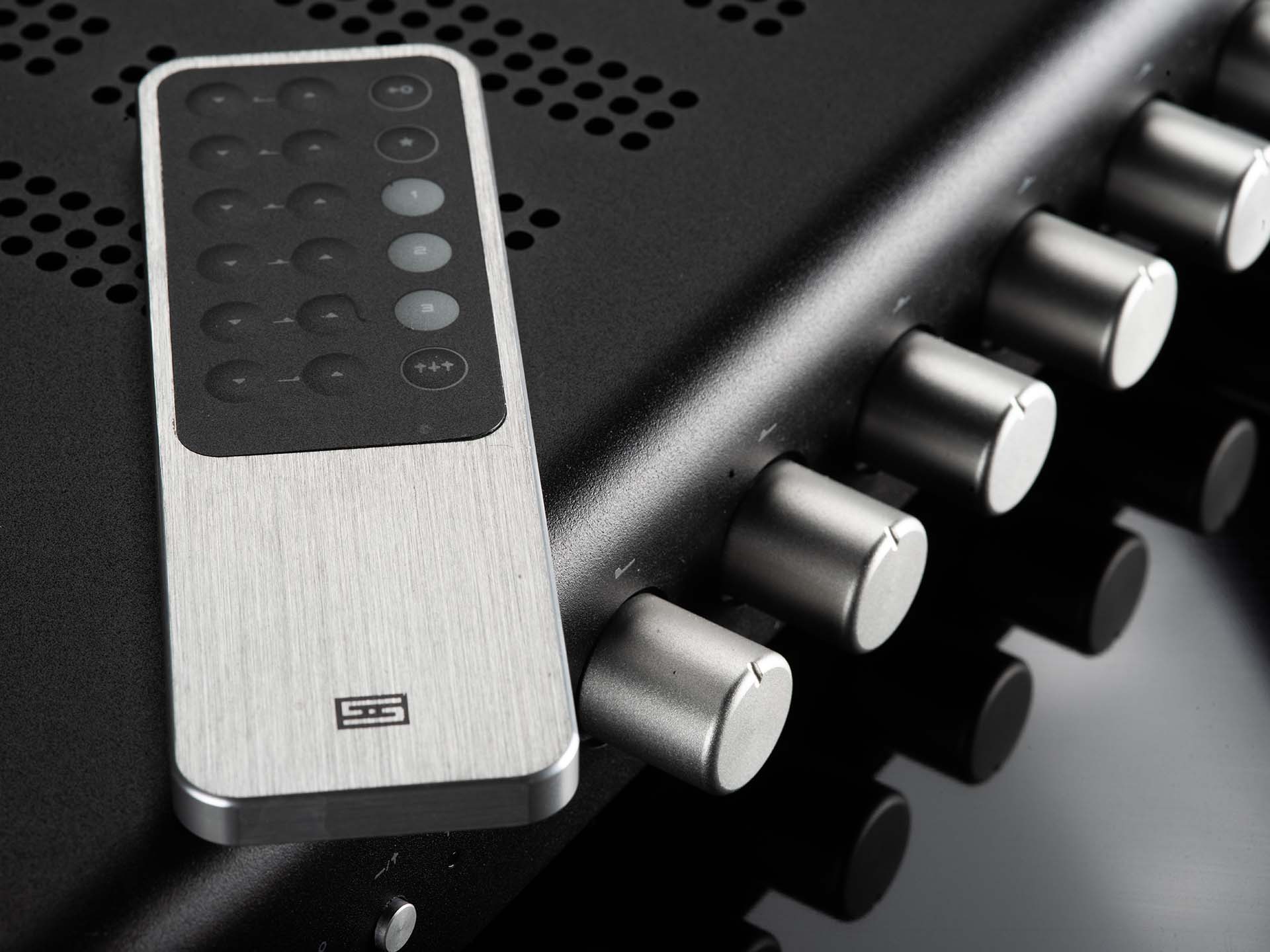
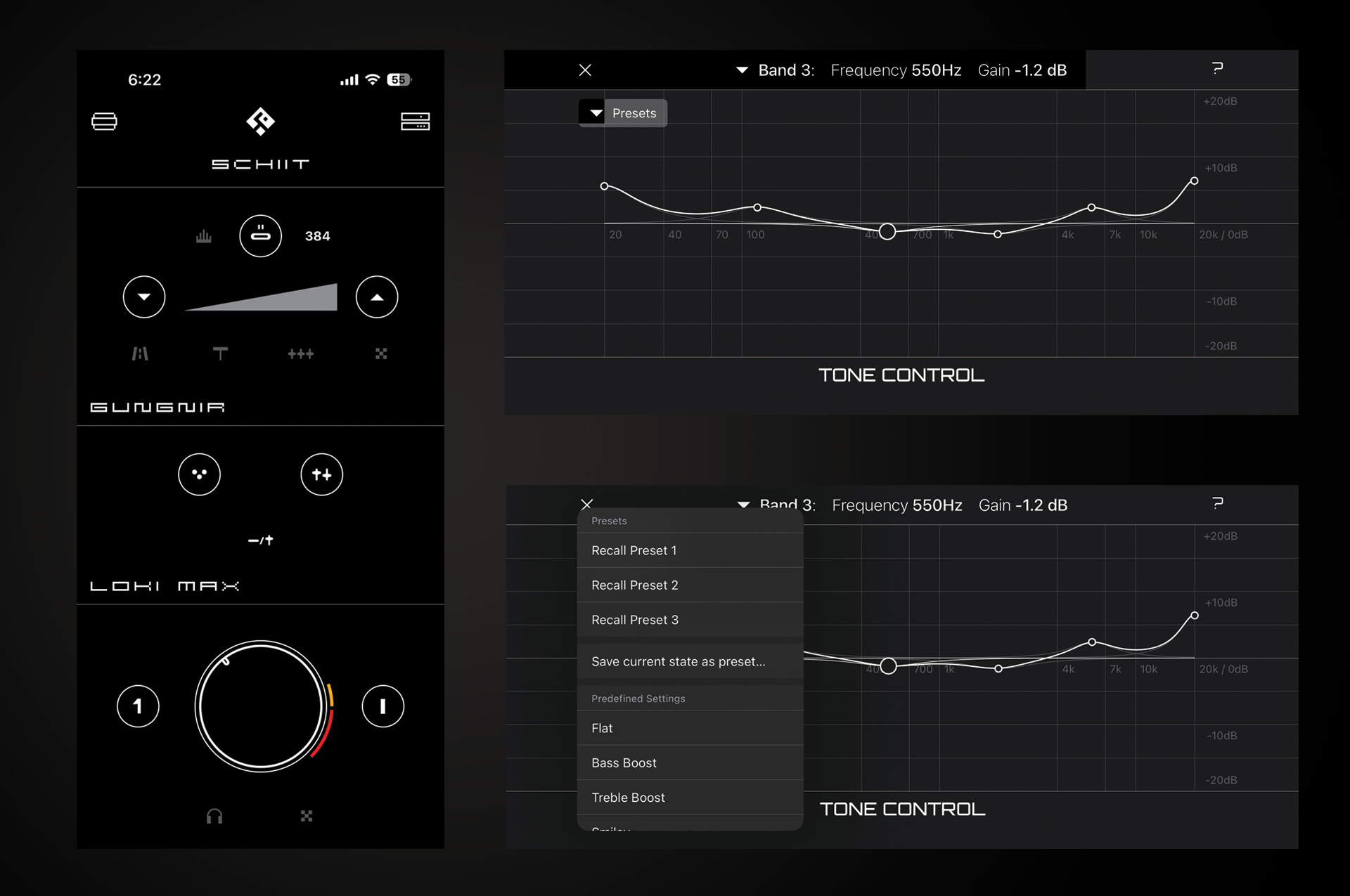
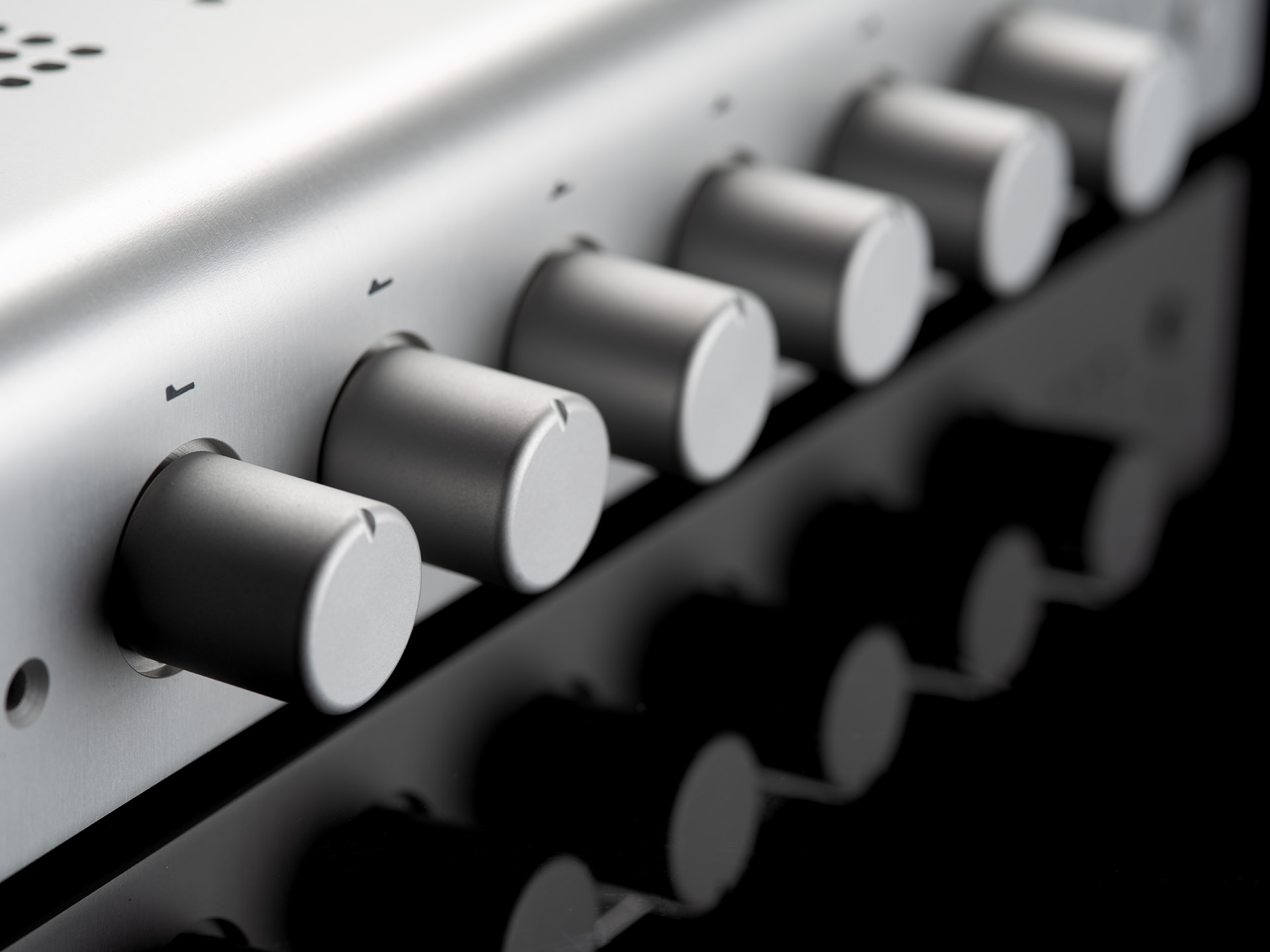
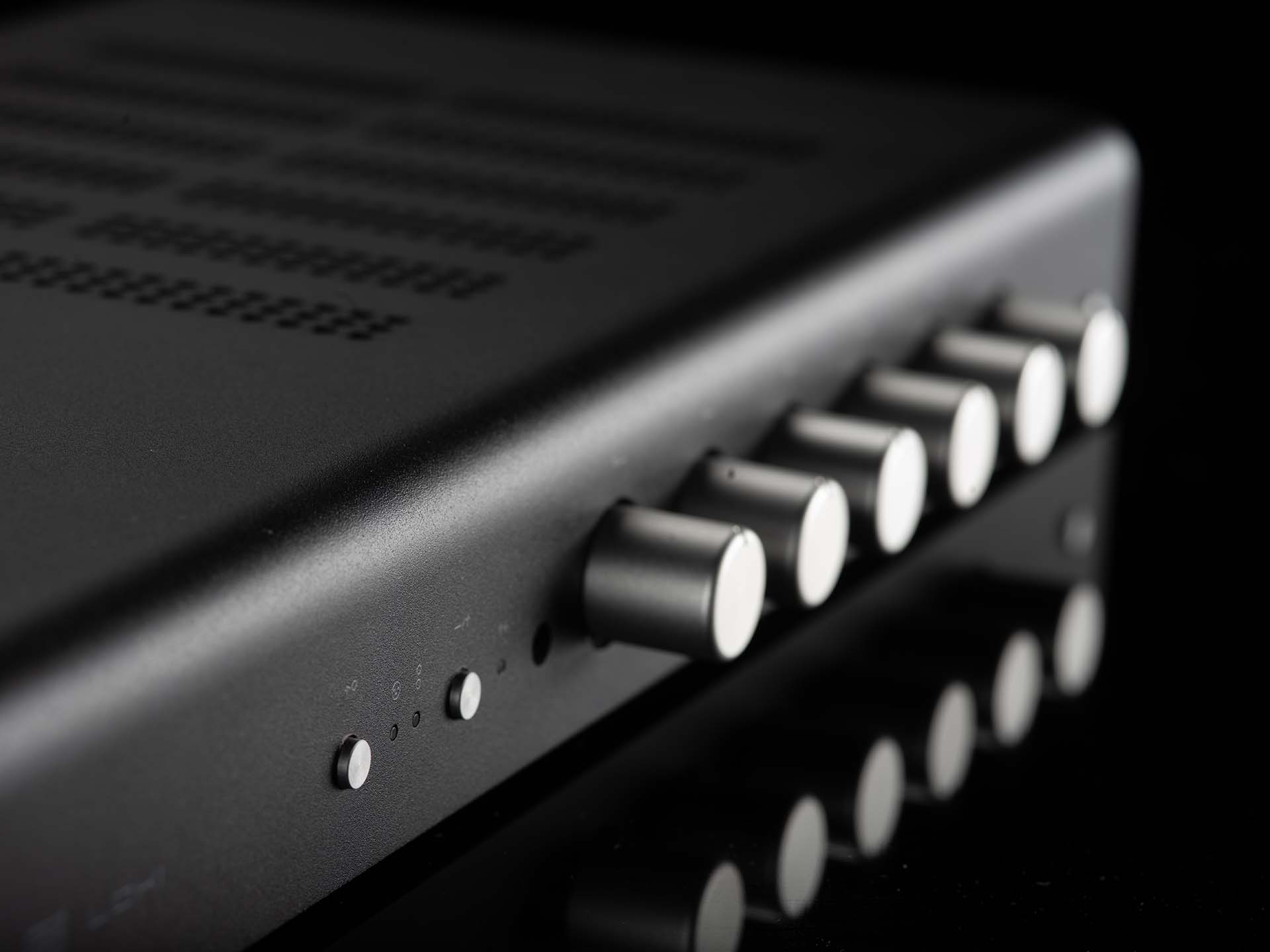
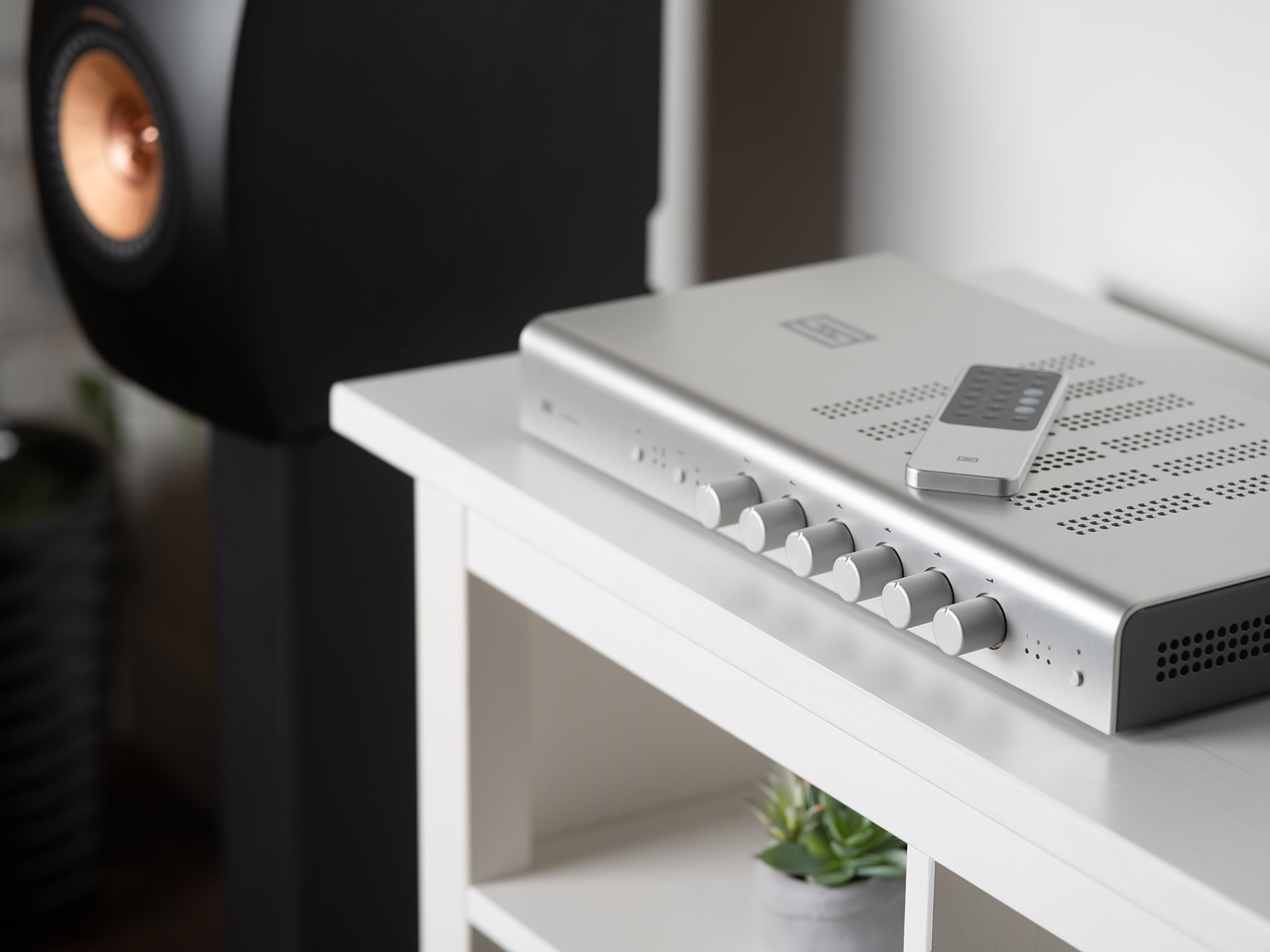
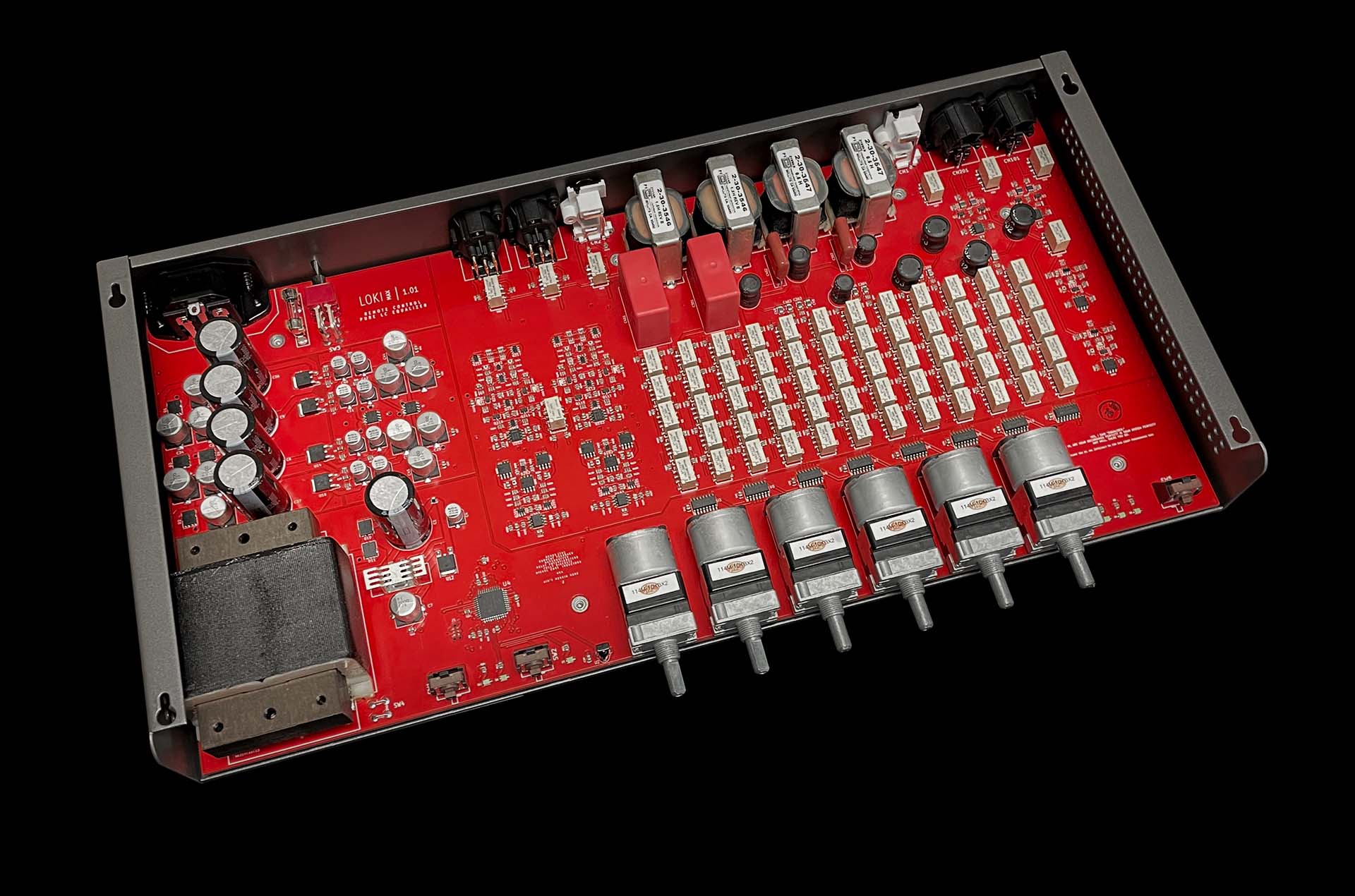
Welcome to the retrofuturistic Loki Max F, where pure LC filtering, relay potentiometers, and fully discrete Nexus™ gain stages combine with microprocessor oversight, Forkbeard™ and IR remote control for a completely unique EQ that integrates seamlessly with your system Beyond the Best of the PastWe didn’t just copy the past—we exceeded it. Loki Max F uses 100% custom LC filtering, including exotic 80% nickel-core inductors, but that’s just the start. Add our unique 31-step precision relay potentiometers using 0.5% thin-film resistors and 60 relays—completely unlike anything from yesteryear or today. These relay potentiometers provide precise control, perfect repeatability, and superb channel matching, What’s more, every stage is fully discrete—from the input superbuffers and balanced summers, to the current-feedback gain stage and Nexus™ balanced output. These stages are fed by a 100% linear, 4-stage power supply with two rail levels, up to +/-32V. You’ll never need to worry about overloading Loki Max with any standard source. More Than Remote Control: ForkbeardLoki Max F comes standard with an IR remote control, for easy adjustment from your listening chair. Go ahead and adjust any band, select from balanced or SE inputs, bypass the EQ completely (as in, just a relay in the signal path), set and recall presets—everything is at your fingertips. Or, add a Forkbeard module for even more features, such as frequency response previews and more presets. Forkbeard also seamlessly integrates with a wide range of Schiit gear, enabling advanced features like Visual Volume. Superior Ease of UseEven with advanced remote controls, we didn’t forget human interaction. There’s no indecipherable screens or complicated UIs on Loki Max’s front panel, just the controls everyone understands. To adjust the EQ, just turn a knob. To select a preset, press a button. It’s all mechanical and real-time; heck, the EQ band knobs turn to match what you’ve set on the IR remote or Forkbeard! Hear the clicking of the relays as you adjust Loki Max? That ensures there are no electronic switches or volume controls in the signal path. Designed and Built in the USABy “designed and built in the USA" this is what we mean: the vast majority of the total production cost of Loki Max—chassis, boards, assembly, etc—goes to US companies manufacturing in the US. Our chassis and transformers are made in California. Our PCBs are made in California or in our own facility in Corpus Christi, and it all comes together in our San Antonio facility. 5-Year Warranty, Easy ReturnsLoki Max is covered by a 5-year limited warranty that covers parts and labor. And if you don’t like your Loki Max, you can send it back for a refund, minus 5% restocking fee, within 15 days of receiving it.
Specifications
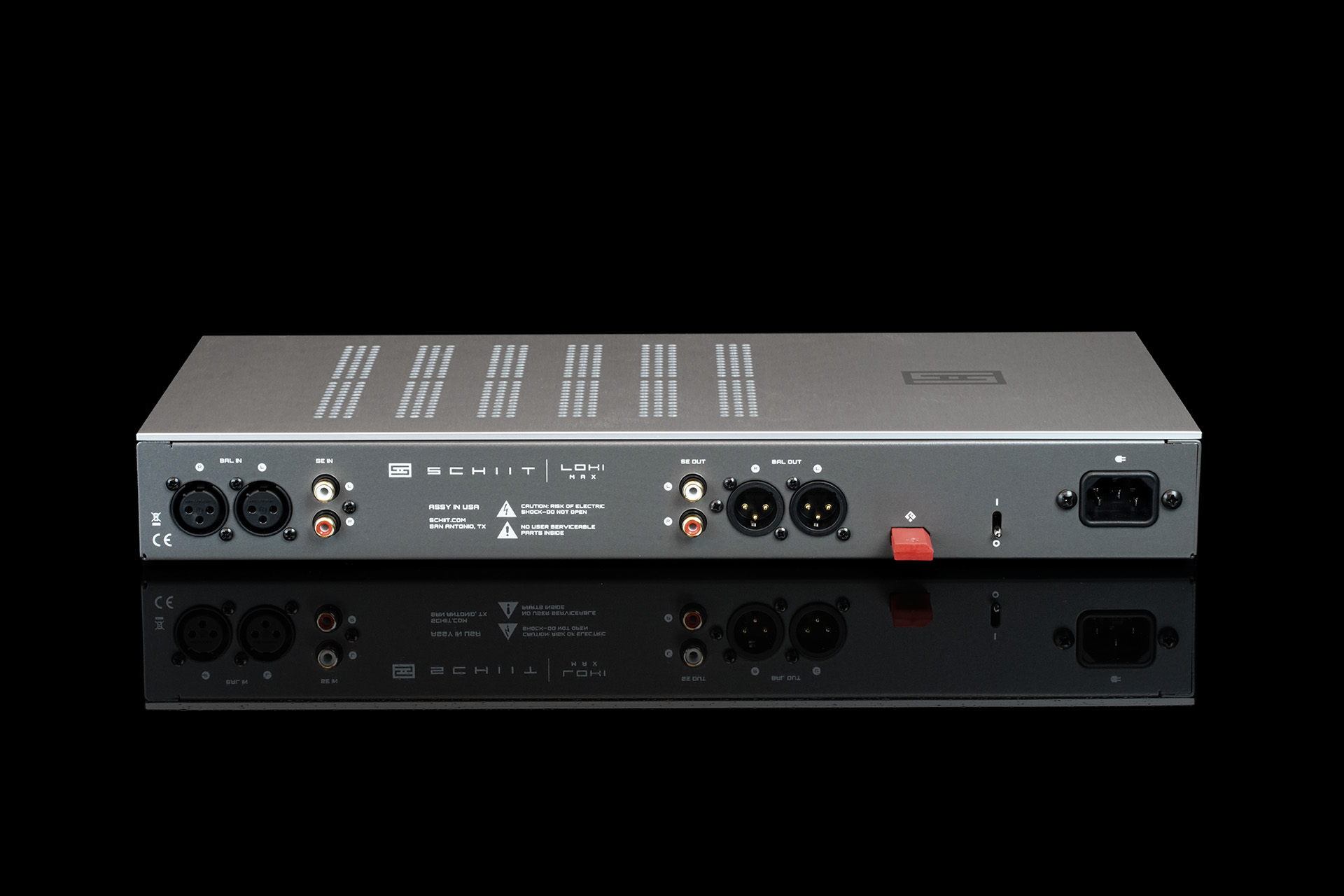
Frequency Response: 20Hz-20Khz, -0.1db, 2Hz-1MHz, -3dB Maximum Output: 10V RMS (SE), 18V RMS (balanced) THD: Less than 0.001%, 20Hz-20KHz, at 2V RMS in/out, pots centered, active stage enabled, less than 0.003% at any potentiometer setting IMD: Less than 0.001%, CCIF SNR: Greater than 112db, unweighted, referenced to 1V RMS Crosstalk: -75dB, 20Hz-20KHz Output Impedance: 75 ohms Input Impedance: 10K ohms Bands: 20Hz, 120Hz, 400Hz, 2kHz, 6kHz, 16kHz Adjustment: +/-12dB at 20Hz and 16kHz, +/-9dB at 120Hz and 6kHz, +/-6dB at 400 and 2kHz Topology: fully discrete, all-bipolar, symmetrical current-feedback design with matched parts throughout, DC coupled, with DC servo, plus dual-stage fully discrete superbuffer, Nexus™ balanced output, and discrete summers Filtering: capacitor-inductor (LC) for all bands, including custom 1.5H and 0.5H 80% nickel core inductors Power Supply: internal 100% linear supply, AC in, 48VA C-Core transformer, +/-16V and +/-32V rails (both dual-regulated), plus separate high-current 5V supply for microprocessor and relays Power Consumption: 30W Size: 16" x 8" x 2" Weight: 9 lbs APx555 Report for Loki Max F
FAQ
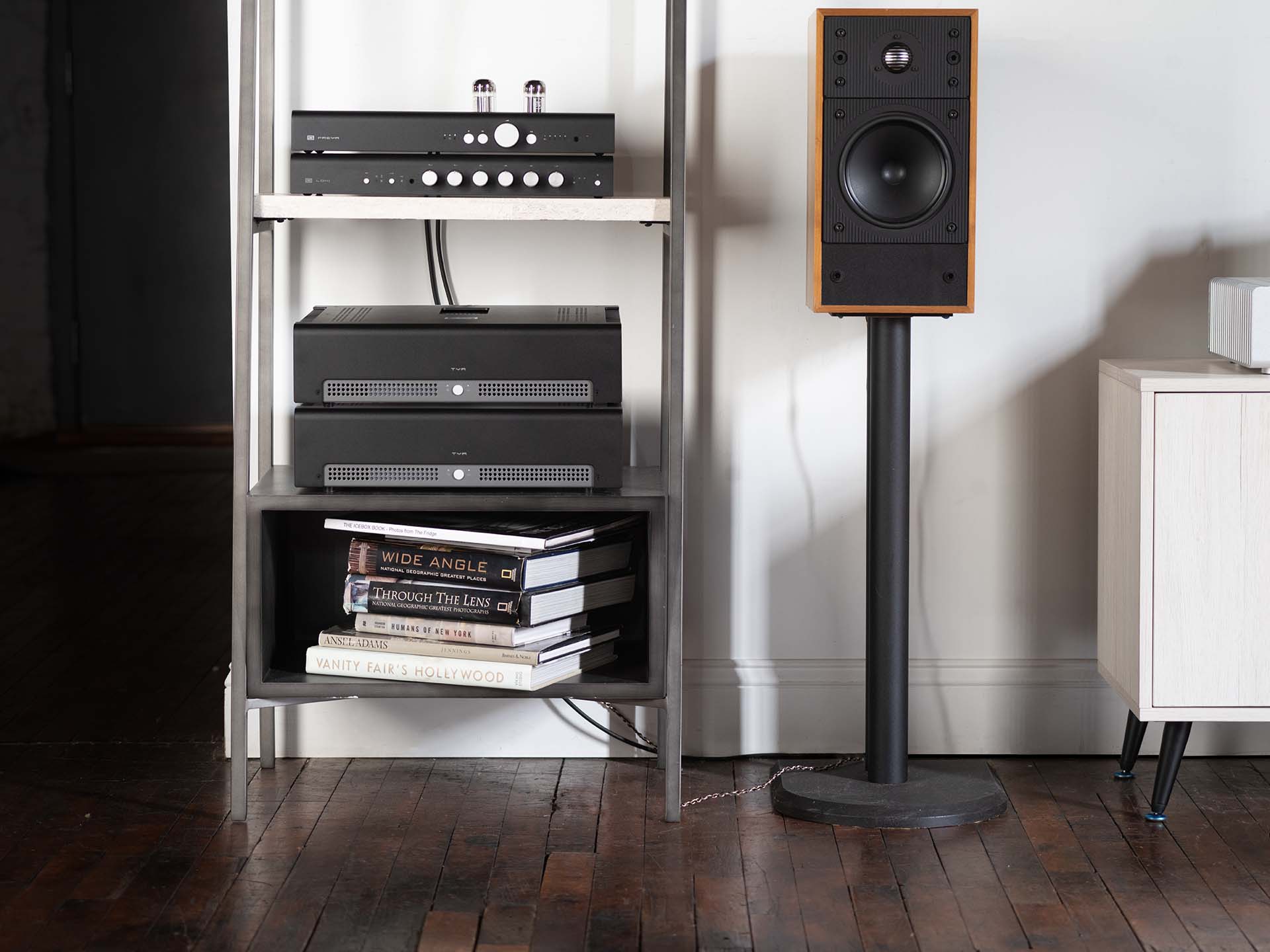
Holy moly! This kinda reminds me of (crazy old 1980s EQ name redacted)!Yep. Except we have remote control. And Forkbeard. But that 1980s thing was like (insane car-like price, also redacted)!Yep, it was. $69,000 in 2025 dollars, to be exact. So how the heck do you do this for $1599?Same way we always do—by streamlined production engineering, large run sizes, and direct sale. Not very exciting stuff, really. Well, I also had an EQ in the 1980s, and it had like 340 bands of sliders and they lit up! Cool, right?Sure, if you like boxes of cheap op-amps and regret. And hiss. Oh yeah it did hiss. And scratch.That’s why we didn’t do Loki Max that way. That’s why it has less bands and is more focused on sound. So this is better than a 1980s EQ with 73 bands and light-up sliders, even if it had a spectrum analyzer display?It’s not even in the same universe. Chicken shit and chicken salad, as Mike used to say. Are you saying this is as good as (redacted) but it also has remote control?Hold up a sec. “As good as” is a very subjective assertion, and has lots of dimensions. If you are referring to “sonically as good as,” well, we don’t know that for sure, we’ve never A-Bed the products. If you are referring to features, it’s give and take. That famous old EQ offered separate controls per channel, and it used some mighty fancy switches. We don’t offer separate controls per channel, and we use relays. Also, we’re an LC equalizer, whereas we’re not 100% sure what the old hotness was. Maybe it was a constant-Q design, maybe it was LC. Now you hold up a sec. You went into super techno speak there. What are you talking about?There are many ways to do an equalizer. Loki Max, like our other EQs, is technically an inductor-capacitor, single-gain-stage, variable Q topology. This means there’s only a single discrete gain stage at its heart, rather than a gain stage per band. It also means that the knobs have a broad, shallow effect when they’re only a bit off center, and a more peaky effect when they are maxed out. We found this to be best for adjustments with limited bands on real recordings. So an LC equalizer is best?Nah. There are tradeoffs. Let’s start with the super-expensive inductors we have to use. Cost out a 1.5 Henry, 80% nickel core inductor and let us know how crazy we are (pretty crazy). Those inductors are also large and may pick up hum from other components that have transformers in them (the solution is to not stack Loki Max directly on top of other components with transformers, easy as that.) There are also other technical reasons why some may prefer a constant-Q equalizer or a parametric equalizer or a fully passive EQ design or a software EQ. Software EQ is sometimes as cheap as free.Yep, it is. It also requires a computer, phone, tablet, whathaveyou to run, and the UI is usually not exactly what you’d call friendly and intuitive. It also sucks massively if you want to, say, EQ your turntable and keep everything analog. Loki Max isn’t meant to replace surgical software EQ; it’s designed to be a fingertip way to tweak substandard recordings, compensate for not-100%-perfect systems and rooms, or dial in the sound to your individual preference. You could technically use both software EQ and Loki Max, or Loki Max alone, or no EQ at all, depending on what you like. Seems like this is real similar to Lokius, but a lot more expensive.Lokius’ bands are similar (by design), but Lokius doesn’t have 4 crazy nickel-core chokes, 72 relays, 6 motorized pots (to match the relay settings—they’re not in the signal path), Nexus™ topology, or microprocessor control. When you scale up to big crazy, big crazy price is the result. It’s also physically larger, so it matches the size of components like Freya, Kara, and Gungnir. Ahem. Allow me to butt in. I don’t consider this to be a big crazy price. I find it quite pedestrian. In fact, my total system cost is—Yeah, let me stop you right there. We’re sorry you have been abused by the musical-industrial complex in the past, but this is a big crazy price. You could buy a really good laptop for this price, something you could use to launch a business, explore entrepreneurship, and set yourself up nicely. So this, ahem, product will be comfortable in the highest-end systems?We did everything we could to make this one of the best EQs on the planet, something that really can stand up to comparisons with the highest level products. But, when it comes down to it, only you can tell. This is not a dodge. You may find you don’t want an EQ in your system at all, simply because it gives you so much control. The temptation to adjust every single song might be too great. Or, you might decide you want even more control, and go to an infinitely variable software EQ. All approaches are valid, but only you can decide. How can I tell if this is really transparent? Do you offer a true bypass?Yes. And you can use it from the remote. And the output level is matched between processed and unprocessed modes to within 0.2dB (with all knobs on center.) Let’s talk tech. What is this about relay potentiometers? You’ve been using relay attenuation in your preamps for a while now.Relay potentiometers are actually quite different. Attenuation is one thing, but simulating an actual potentiometer—a three-terminal device—requires both more relays and much more complex logic. We’re super proud to have developed a relay potentiometer that gives you 15 equal steps on either side of the knob, for a total of 31 steps. Each relay potentiometer requires 10 relays for each balanced channel, for a total of 60 relays used for the relay potentiometer alone. If you are using relay potentiometers, why do you have motorized pots?It’s the best way to track the setting of the knob. They aren’t in the signal path. Plus, when you use a preset, all the pots turn as the setting changes. Wait a sec, all the pots turn when you hit a preset button?Yes. Oh hell you shoulda told me this first. I’m placing an order!Wait till you find out the Forkbeard app allows you to preview the frequency response in real time. What? You can show the frequency response curve of an analog EQ? What is this magic?Just a fun little thing we added to Forkbeard. It’s like the parametric EQ on our DACs, except you can’t adjust Q or set the band center frequencies, of course. What is Forkbeard?It’s our integrated control system that allows you to create multiple systems and get unparalleled visualization of how they’re performing. Want to know where your system goes into clipping? A Forkbearded DAC and amp, or DAC, preamp and amp, will tell you. Add a Loki Max F and that’s also factored in. That sounds unique!It is. More tech. Will I overload this thing?Not if you’re using standard 2V RMS single-ended or 4V RMS balanced levels. With +/-32V rails, Loki Max has plenty of headroom. Even more tech. Is this thing really balanced?It’s balanced and differential in and out, uses both phases in, and provides both differential phases out. All stages are fully discrete, from the input summers to load-invariant superbuffers to the current-feedback processing stage to the Nexus™ output. Why not “balanced all the way through?”Because the product would be twice the size, twice the heat, and quite a bit more than twice the cost. You’re looking at 8 nickel-core inductors, 130+ relays, a chassis the size of Yggdrasil, and a much larger transformer and power supply. Yes, we know, some people would buy such a thing, but we’re not super thrilled about doing it. We’ve achieved the performance goals we wanted; best have a listen and decide if you like what it does, rather than worrying about technical minutiae. Is all of this tweaking of frequency response true to the artist’s intent?I’m not sure I like the idea of altering the original recording.Then an EQ may not be for you. That’s cool. We understand. (But don’t ya gotta ask yourself, “If it sounds good to me…isn’t that what matters?”) So you have a Loki Mini, Lokius, and Loki Max. Lots of Lokis!Loki is the trickster god of Norse mythology, so we suppose it’s appropriate. Lots of Lokis. Lots of options. Or none at all. You choose!
Reviews
Schiit Loki Max Six-Band Equalizer Reviewed
Future Audiophile, Mike Prager
"It is a lot of fun, and I recommend it to anyone who wants to take more control over what they hear—no matter how expensive their system."
Schiit Loki Max Six-Band Equalizer ReviewedLoki Max
The Absolute Sound, Robert E. Greene
"You need this, even if you think your system is already neutral or even if it actually is."
Loki MaxSchiit Audio Loki Max EQ Debuts with great EQ setup made for Audiophiles priced at $1500
AV Atmos